British Values
The Department for Education stated that schools should promote the fundamental British values of democracy, the rule of law, individual liberty and mutual respect and tolerance of those with different faiths and beliefs.
At Occold Primary School, these values are taught within both our PSHE and RE lessons, but are also reinforced regularly throughout our curriculum and day-to-day life in school. British values are promoted in so much of what we do.
We actively promote British Values during our school assemblies and ensure we provide regular opportunities to explore these values in detail.
Democracy:
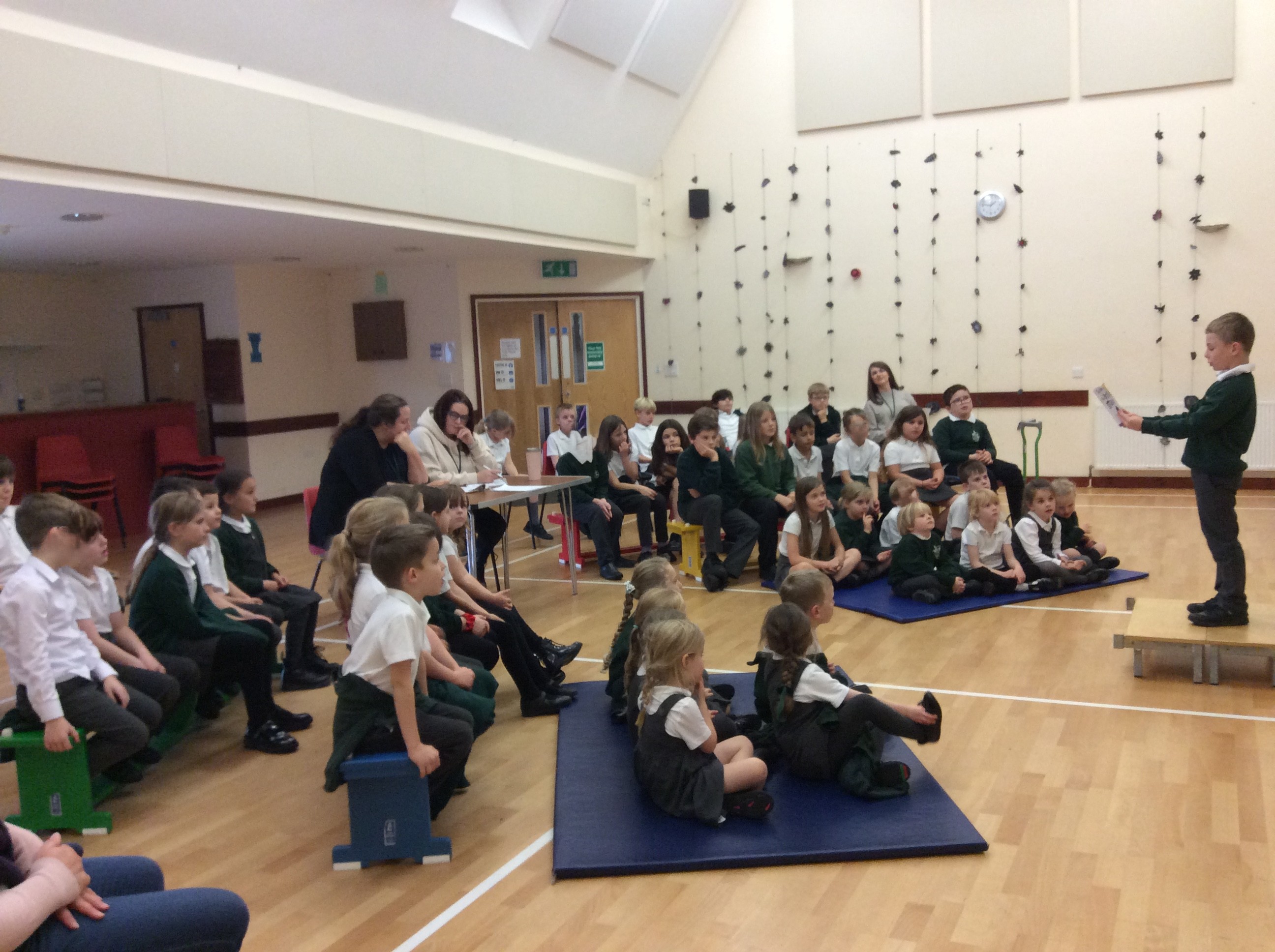
Democracy is an important value at our school. Pupils have the opportunity to have their voices heard through our 'Occold Ambassador' meetings. The election of the Occold Ambassadors reflects our British electoral system and demonstrates democracy in action. Pupils consider characteristics important for an elected representative and pupils vote in secret using a ballot box. Made up of a representative from each year group, the Occold Ambassadors meet regularly with our Head of School, Miss Thornton, to discuss issues and are genuinely able to effect change within the school.
We also have a group of children who have applied to be a part of the Eco-Council. They meet regularly with our Eco-Lead, Mrs Squirrell, to discuss eco-friendly and environmental issues within school and our local community. Recently, this group of children have carried out surveys, supported community litter picks, lead an assembly, planned an enrichment afternoon and worked to receive an Eco-Schools Green Flag Award!
Other examples of ‘pupil voice’ within our school include children:
- agreeing their class rules at the start of the year
- voting for things happening in their classrooms
- having opportunities to talk to school governors and visitors
- responding to questionnaires
- having opportunities to provide feedback on their own and others' work
- talking to staff about their learning and making suggestions for the future
- participating in buddy schemes to support the younger children in school
- understanding that it is the right of every individual to have their opinions and voices heard
The Rule of Law:
The importance of laws and rules, whether they are those that govern the class, the school or the country, are consistently reinforced throughout daily life at Occold Primary School. Pupils are taught the value and reasons behind laws, that they govern and protect us, the responsibilities that this involves and the consequences when laws are broken.
Rules and laws are reinforced in different ways:
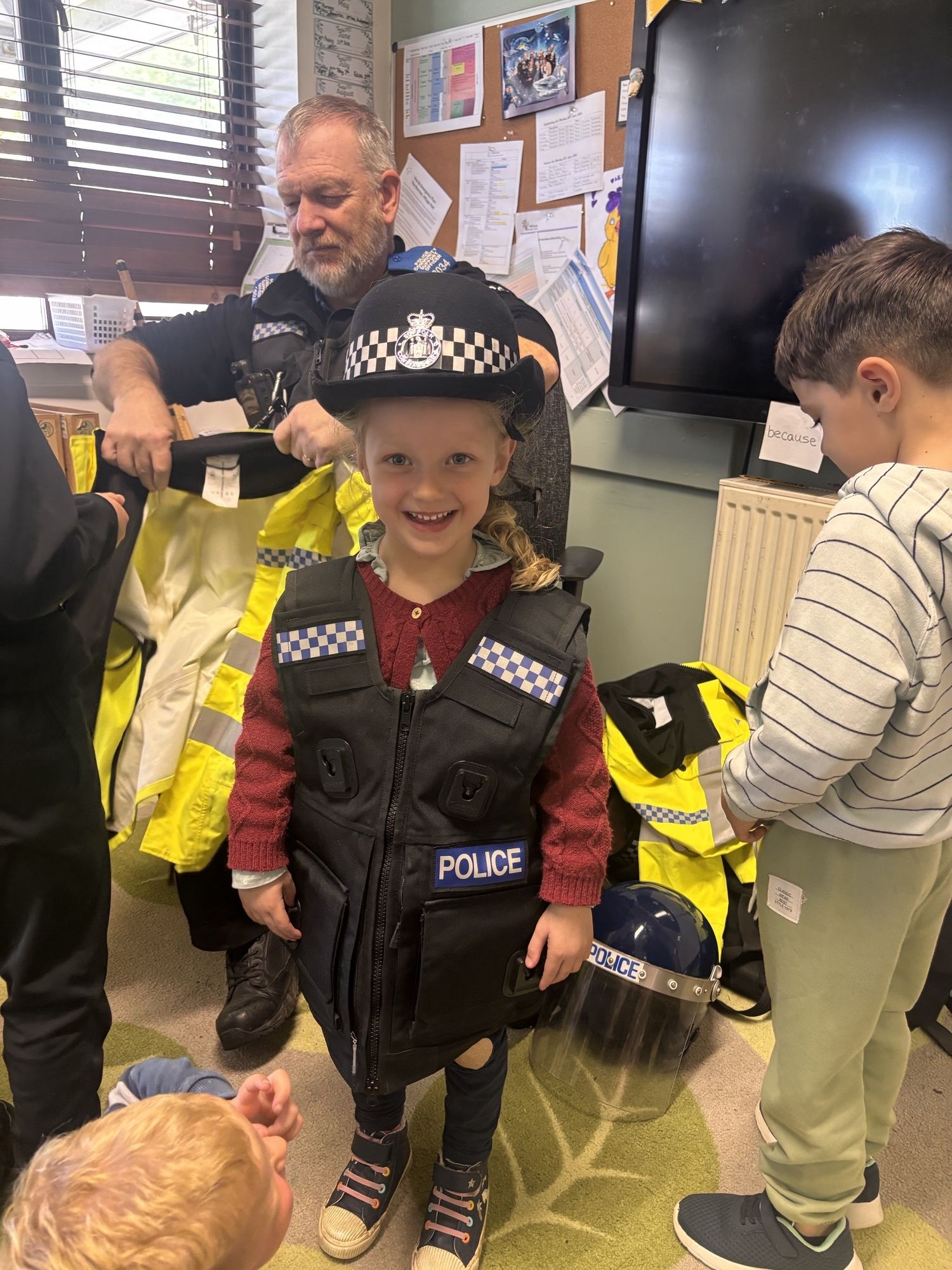
- Visits from authorities such as the police to discuss their role in keeping communities safe
- During PSHE lessons, learning about rights and responsibilities
- During RE lessons, we learn about rules for particular faiths
- During PE lessons, we respect and appreciate rules for different sports
- During History lessons, learning about how our justice system came to be
- Creating class rules with pupils and discussing why they are important
- Respecting our school behaviour policy
- Participating in restorative conversations to resolve conflicts
- Rewarding positive behaviour alongside appropriate consequences
- Exploring stories where characters face moral choices or consequences
- Learning about online safety, including laws relating to privacy and respectful online behaviour.
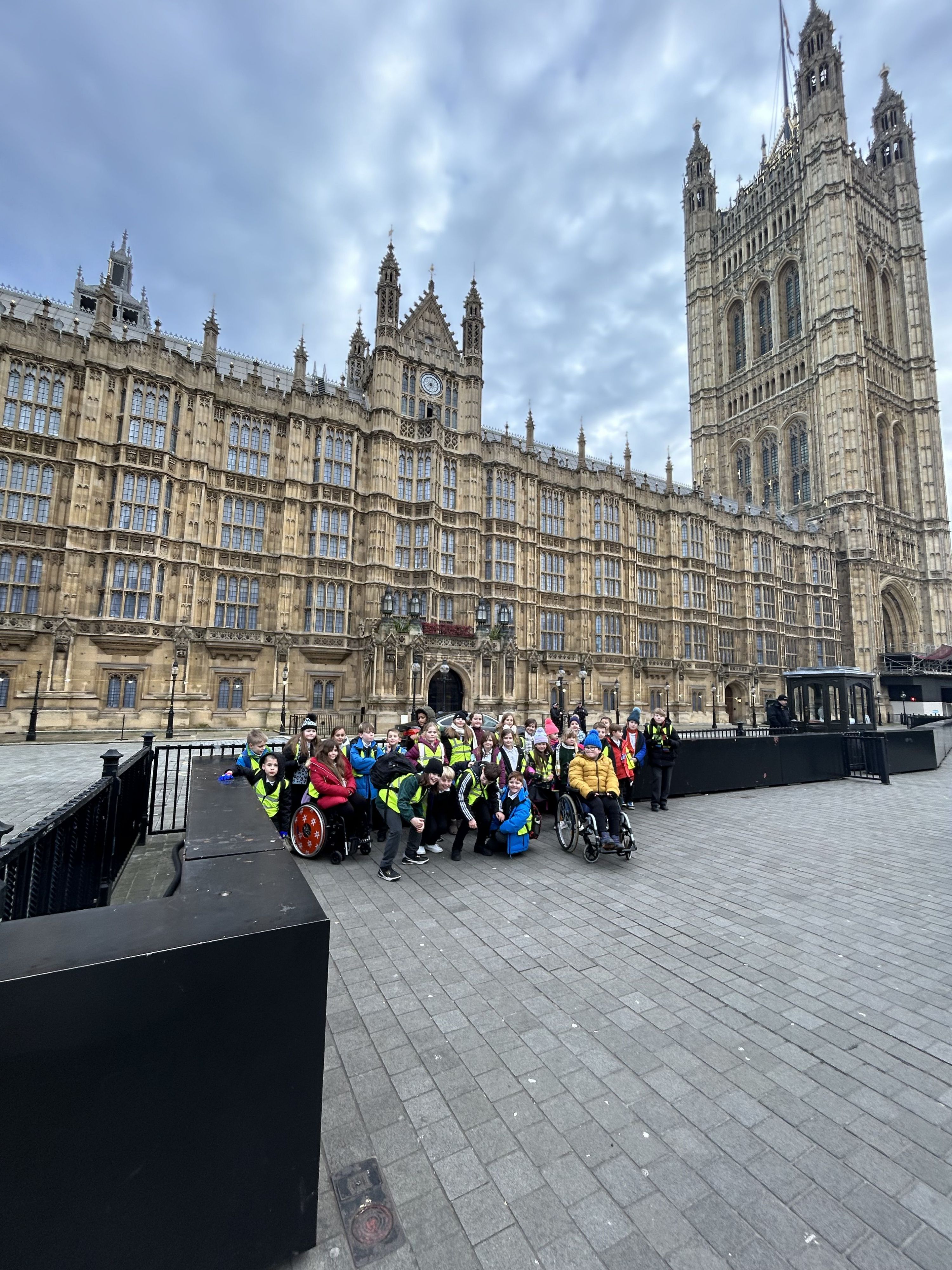
- Educational visit to the Houses of Parliament
Individual Liberty:
Pupils are actively encouraged to make choices at our school, knowing that they are in a safe and supportive environment. As a school we provide boundaries for our children to make choices safely, through the provision of a safe environment and planned curriculum.
Pupils are encouraged to know, understand and exercise their rights and personal freedoms and are advised how to exercise these safely, for example:
- Through our E-Safety teaching, PSHE & RE lessons, as well as throughout other curriculum subjects
- Encouraging children to express their opinions respectfully
- Providing opportunities for discussions and debates across the curriculum
- Promoting independence through self-directed tasks and problem-solving
- Pupils are given the freedom to make choices, e.g. choose the level of challenge in some lessons
- Children are encouraged to understand the consequences between making a good choice and a bad choice in relation to behaviour
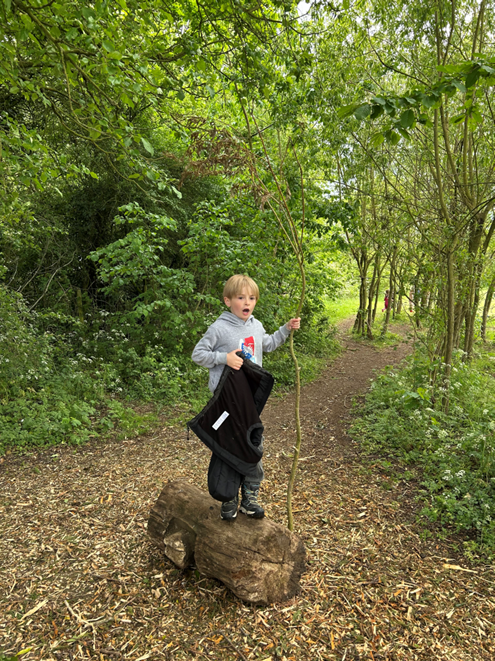
- Within Forest Schools activities, children guide their own learning and assess their own risks
- Ensuring children know who they can talk to, if ever they need to.
Mutual Respect:
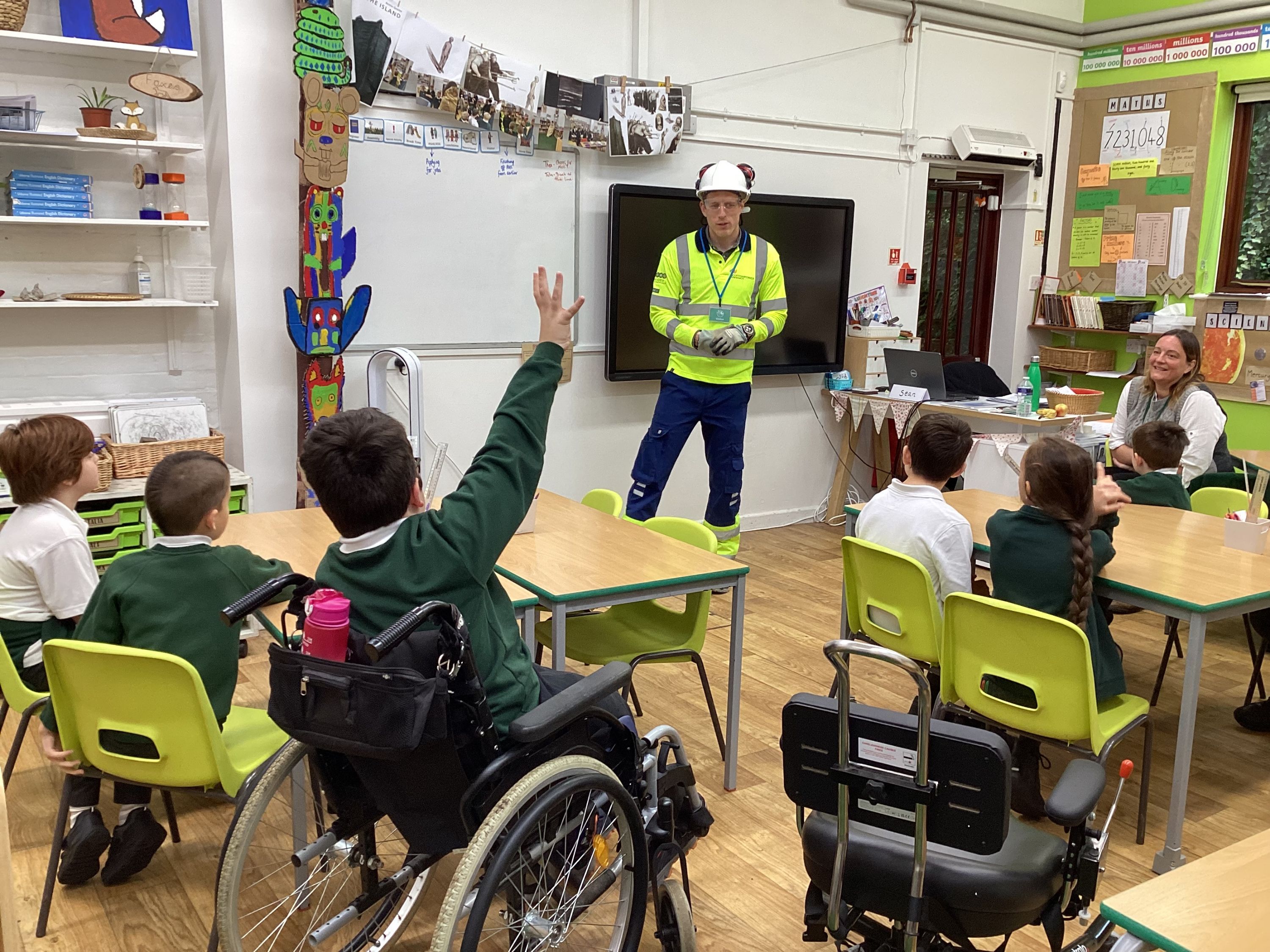
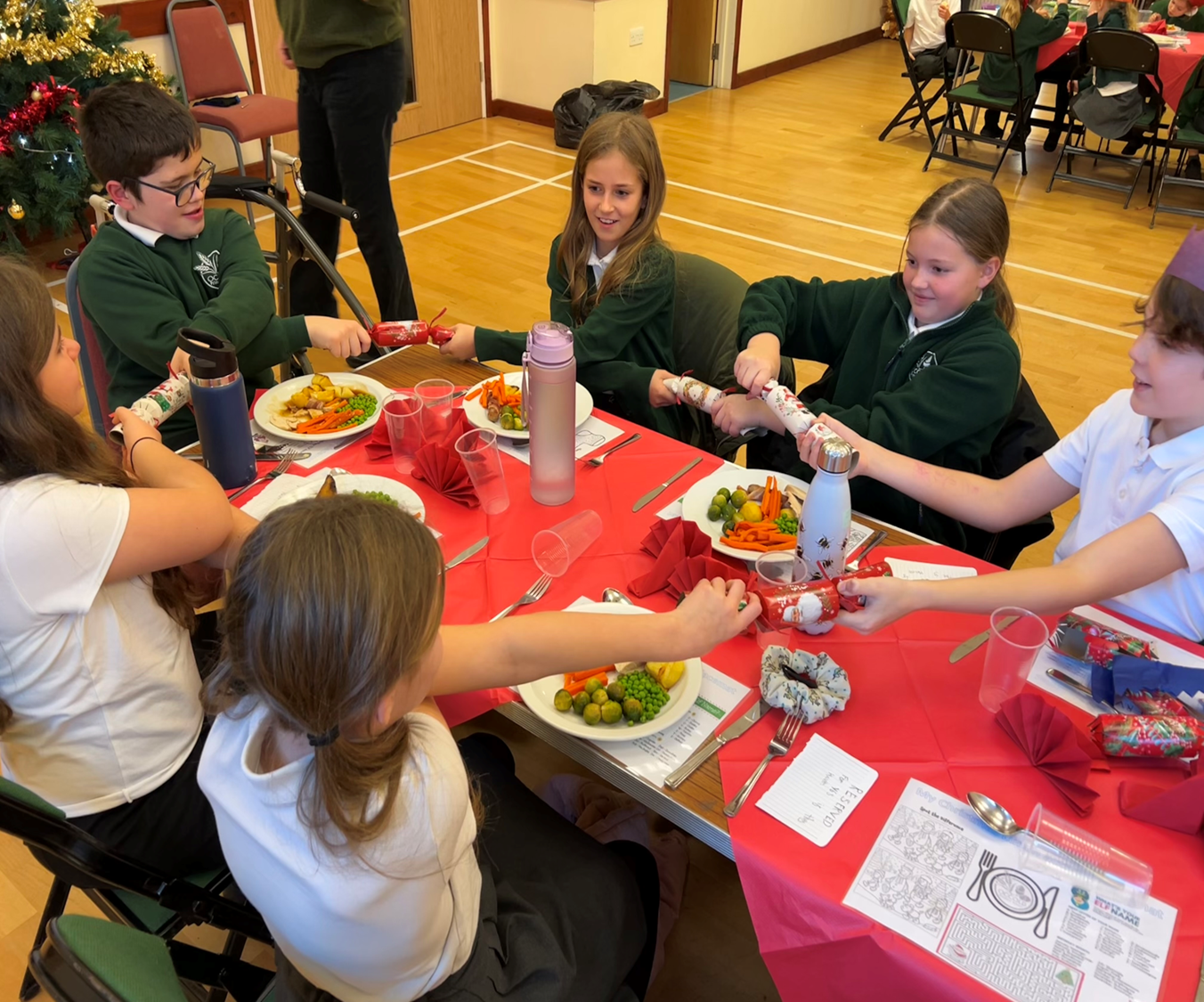
Mutual Respect is one of the fundamental British values and is central to creating a positive, inclusive school culture. At Occold Primary School, we support our children to understand that everyone deserves to be treated with kindness, dignity and respect. We understand that respect provides the foundation for a safe, inclusive, and effective learning environment. When children learn to respect themselves and others, they are more likely to develop positive relationships, engage confidently in learning and contribute positively to society.
Tolerance of Those of Different Faiths and Beliefs:
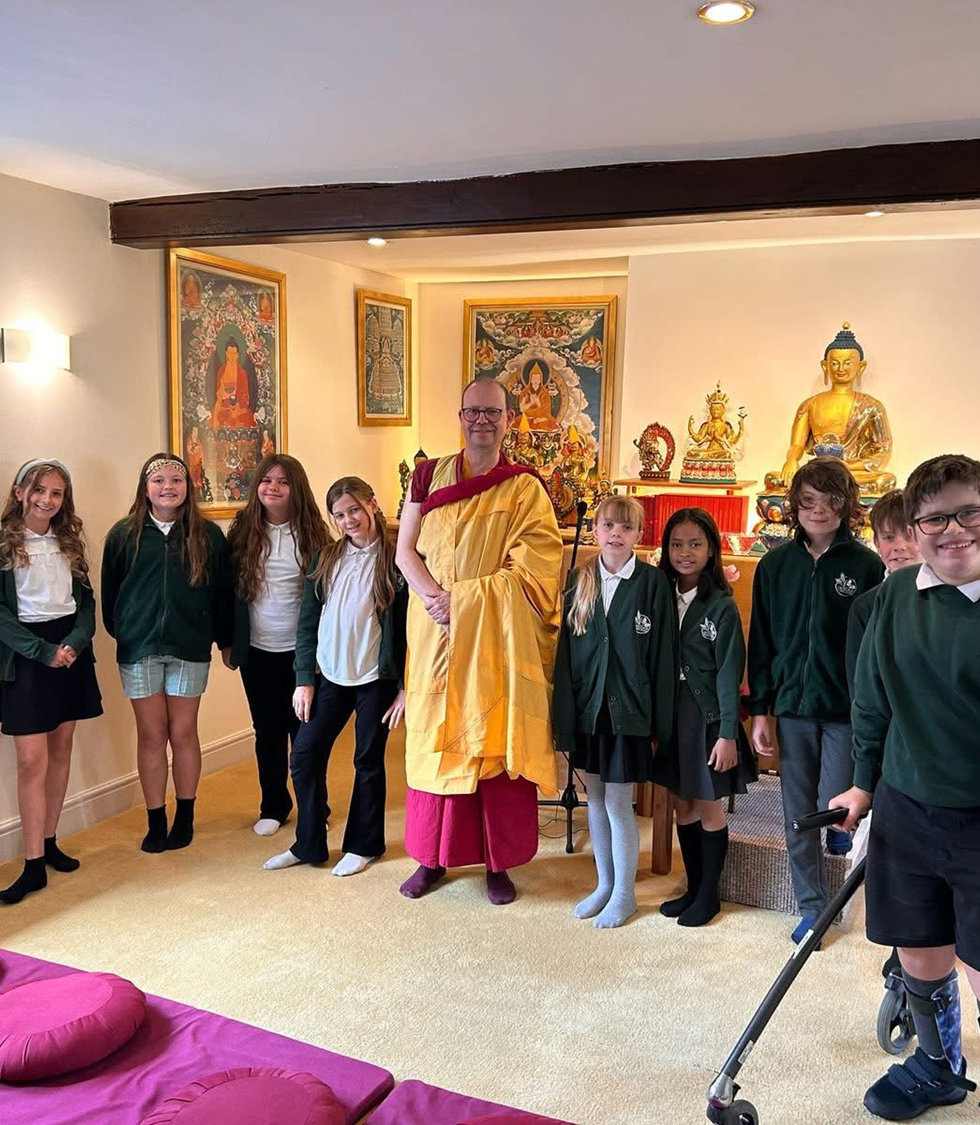
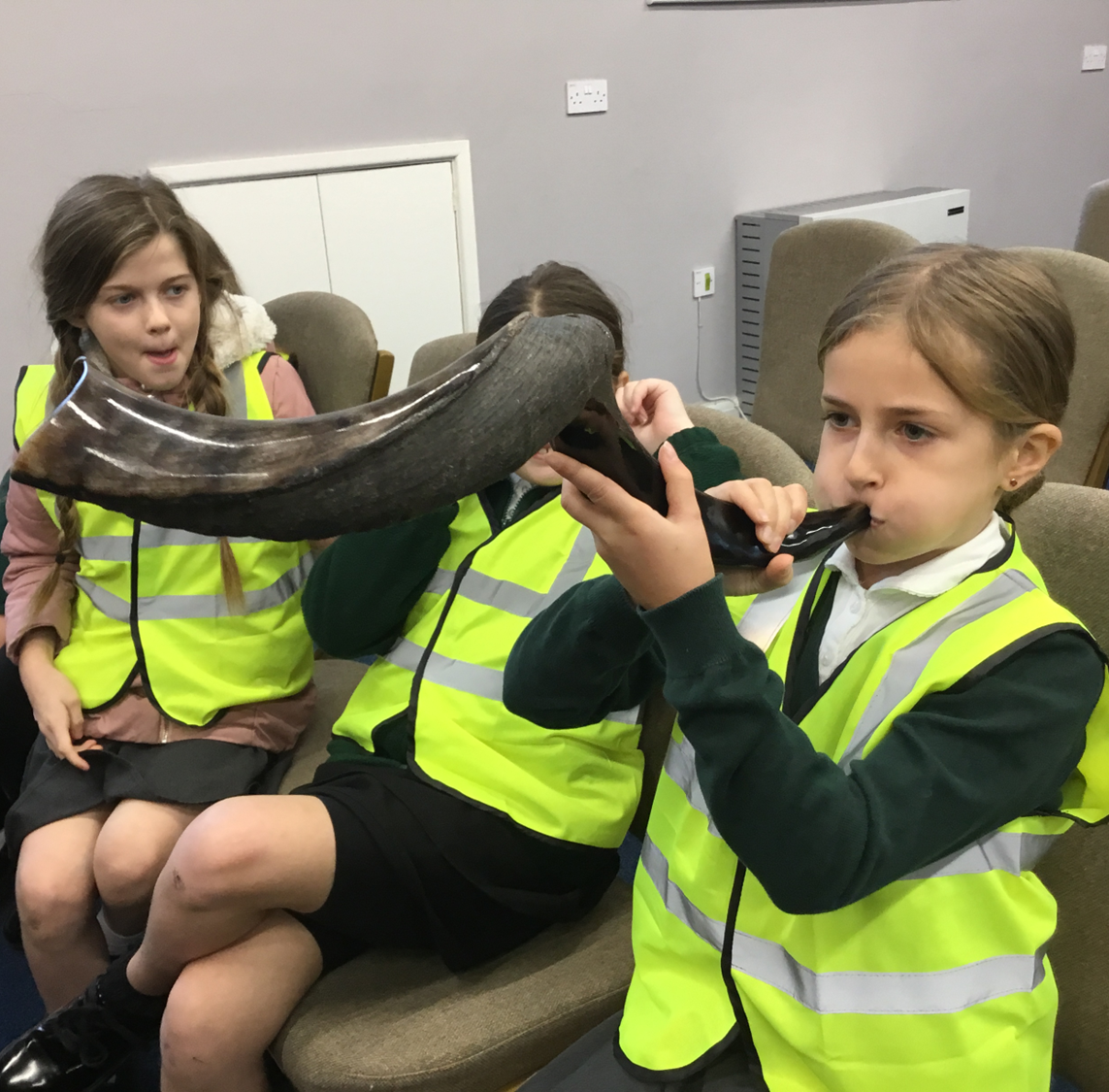
Occold Primary School is proud to promote and celebrate our different backgrounds and beliefs. Mutual respect is at the heart of what we do and who we are. Our pupils know and understand that it is expected and imperative that respect is shown to everyone, whatever differences we may have, and to everything, whether it is a school resource, a religious belief etc. Children learn that their behaviour choices have an impact on their own rights and the rights of others. All members of the school community should treat each other with respect.
This is achieved through:
- Enhancing pupils’ understanding of their place in a culturally diverse society and by giving them opportunities to experience such diversity in our local community which is by and largely white British.
- Challenging stereotypes and misconceptions in an age-appropriate way
- Teaching children to ask thoughtful questions respectfully
- Exposing children to a diverse range of books
- Through RE, PHSE, Geography, History and other lessons children develop awareness and appreciation of other cultures, views and differing ways of life
- Through assemblies, learning about different festivals and traditions